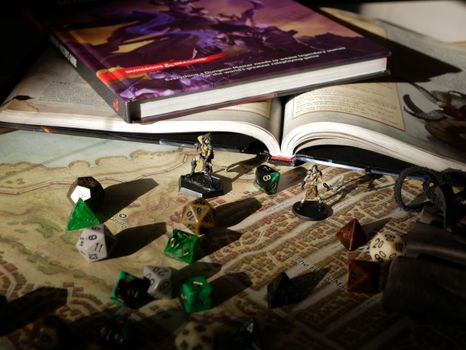
The universe of Warhammer 40,000 (Warhammer 40k) is vast, dark, and endlessly fascinating, populated by a dazzling array of races each with its own history, culture, and motivations. But how did these iconic factions come to be, both within the lore and on the tabletop? This article delves deep into the history and development of individual races in Warhammer 40k—from their origins in the game’s early editions to their current forms in both narrative and gameplay. Whether you’re a lore enthusiast, a miniature collector, or a newcomer curious about the evolution of 40k’s most famous races, join us for a journey across millennia—both real and fictional.
The Birth of Warhammer 40k Races: Setting the Stage in Rogue Trader (1987)
Warhammer 40k launched in 1987 with the publication of “Rogue Trader,” a rulebook that blended science fiction, fantasy, and dark satire. The original game introduced many races now central to the 40k universe, but their characteristics were often markedly different from their modern iterations.
The initial factions included:
- The Imperium of Man: A sprawling, authoritarian empire beset by bureaucracy, superstition, and decay. - Space Marines: Elite superhuman warriors serving the Emperor, but with a more mercenary flavor in early lore. - Eldar: Space elves inspired by classic fantasy tropes, portrayed as mysterious and technologically advanced. - Orks: Brutal, green-skinned aliens, originally infused with even more slapstick humor than today. - Squats: Space dwarfs, representing humanity’s abhuman offshoots.Chaos and its daemonic legions also appeared, but with less defined structure. Notably absent were some now-key races, such as the Tau and Necrons. The early years of Warhammer 40k were experimental, and Games Workshop frequently revised lore and models based on popularity and creative direction.
.png)
By the late 1980s, iconic visuals—like the gothic architecture of the Imperium and the baroque armor of Space Marines—were taking shape. The first plastic kits for Space Marines and Orks appeared, setting the stage for decades of model evolution.
Major Faction Expansions: 1990s to Early 2000s
The 1990s marked a period of explosive growth for 40k, both in terms of the game’s audience and its in-universe races. Key milestones during this era include:
- Dark Eldar and Sisters of Battle: The Dark Eldar (now Drukhari) were introduced in 1998’s 3rd Edition, bringing a new brand of sadistic, piratical xenos. The Adepta Sororitas (Sisters of Battle) debuted as the militant arm of the Ecclesiarchy, emphasizing the Imperium’s religious fervor. - Chaos Space Marines: Gained distinct codexes and visual identity, evolving from generic 'renegades' to complex antagonists with their own internal factions and rivalries. - Tyranids: Inspired by classic sci-fi 'hive mind' aliens, Tyranids appeared in 2nd Edition (1993) and quickly became synonymous with the horror of a galaxy being consumed. - Necrons and Tau: The Necrons arrived in 1998, initially as mysterious, Terminator-like robotic horrors. The Tau, introduced in 2001, provided a rare optimistic counterpoint with their high-tech, communitarian ethos.Games Workshop’s studio expanded the background for each race through codex books, Black Library novels, and White Dwarf magazine. Factions gained unique histories, such as the Eldar’s Fall, the Ork Waaagh! culture, and the Imperium’s endless wars.
The range of miniatures grew rapidly. For example, the Space Marine line expanded to include dozens of chapter-specific units. By 2003, there were more than 12 major distinct army options, compared to just a handful in 1987.
The Lore Deepens: Narrative Evolution and Faction Identity
From the mid-2000s onward, Games Workshop invested heavily in deepening the narrative for each race. This period saw the development of detailed timelines, sub-factions, and key characters that now define 40k’s lore.
- Space Marines: The Horus Heresy series (launched in 2006) explored the origins of the Adeptus Astartes, their Primarchs, and the galaxy-changing civil war that defines the current setting. Over 60 novels and numerous campaign books have since fleshed out the complex relationships among the Space Marine Legions. - Eldar: The Craftworlds, Exodites, Harlequins, and later Ynnari each gained distinct lore and playstyles. The Fall of the Eldar and their ongoing battle against Slaanesh became central to their narrative. - Orks: Their society was elaborated with the addition of subcultures like Goffs, Evil Sunz, and Speed Freaks. The Orks’ unique biology—fungal, reproducing by spores—was explored, highlighting their role as the galaxy’s ultimate survivors. - Chaos: The four Chaos Gods (Khorne, Nurgle, Tzeentch, Slaanesh) were given expanded personalities and followers, with new daemon and cultist units. - Necrons: Their backstory was completely overhauled in 2011, transforming them from mindless robots into fallen dynasties with tragic histories and complex motivations. - Tau: The “Greater Good” philosophy, caste system, and alien auxiliaries were expanded through novels and new army releases.This era also saw the rise of “sub-factions” within each main race, allowing for even more customization and storytelling. For example, Space Marines could be played as Blood Angels, Space Wolves, or any of dozens of unique chapters, each with its own rules and narrative flavor.
Comparing the Growth of Warhammer 40k Races Over Time
To illustrate the expansion and development of 40k’s races, the table below compares key data points across several main factions from their introduction to today.
| Race | Year Introduced | Initial Lore Focus | Current Unique Sub-factions | Signature Attribute |
|---|---|---|---|---|
| Space Marines | 1987 | Elite superhuman soldiers, mercenary streak | 40+ Chapters (Ultramarines, Blood Angels, etc.) | Gene-enhanced warriors with iconic power armor |
| Orks | 1987 | Brutal, comic relief aliens | 6+ Clans (Goffs, Evil Sunz, etc.) | Waaagh! energy and improvisational technology |
| Eldar (Aeldari) | 1987 | Mysterious, dying space elves | Craftworlds, Drukhari, Ynnari, Harlequins | Psychic prowess and advanced technology |
| Tyranids | 1993 | Alien hive mind, devourers of worlds | Hive Fleets (Leviathan, Kraken, etc.) | Bio-adaptable, endless swarms |
| Necrons | 1998 | Silent, mindless killing machines | Dynasties (Szarekhan, Mephrit, etc.) | Living metal, reanimation protocols |
| Tau | 2001 | Small, high-tech empire | Septs (T’au, Sa’cea, etc.) | Ranged firepower, “Greater Good” philosophy |
| Adeptus Mechanicus | 1994 (as Skitarii), 2015 (full codex) | Tech-priests, Imperial support | Forge Worlds (Mars, Ryza, etc.) | Cybernetic enhancements, arcane technology |
This data shows not only the introduction dates and core themes, but also how each race has diversified internally. For instance, Space Marines have over 40 recognized chapters, while the Eldar now encompass at least four major sub-factions.
Modern Developments and New Races in Warhammer 40k
The last decade has seen both a refinement of existing races and the introduction of entirely new armies. Some of the most notable developments include:
- The Primaris Space Marines: Introduced in 2017, these new, larger Space Marines represent a major evolution in both lore and model design, revitalizing the Imperium’s most popular faction. - Genestealer Cults: Once a narrative offshoot of the Tyranids, Genestealer Cults received a full army range in 2016, blending insidious infiltration with classic alien horror. - Adeptus Mechanicus: Though present in earlier lore, the Adeptus Mechanicus became a full in-game faction in 2015, bringing the Martian priesthood and their mechanical legions to the tabletop. - Death Guard and Thousand Sons: These Chaos sub-factions gained fully fleshed-out armies, each with unique models and rules, reflecting the increasing depth given to Chaos. - Ynnari: The Ynnari, introduced in 2017, shook up Eldar politics and gameplay by offering a unified force of Craftworld, Drukhari, and Harlequin units.Games Workshop continues to release new codexes, models, and novels, often making significant changes to established factions. For example, the 9th Edition (2020) saw a major overhaul to Necron lore, promoting the Silent King Szarekh as a central figure.
The company’s strategy of blending nostalgia with innovation ensures that every race receives periodic updates—both visually and narratively. As of 2024, there are more than 20 distinct playable factions, each with a rich, continuously evolving backstory.
Why the Ongoing Evolution of Warhammer 40k Races Matters
The continual development of Warhammer 40k’s races is more than just an exercise in storytelling or model design. It is central to the game’s enduring appeal and community engagement:
- Narrative Depth: The evolving lore allows players to form emotional connections with their chosen factions, rooting for their victories and lamenting their defeats. - Hobby Diversity: New models, units, and painting challenges keep the hobby fresh, encouraging creativity and innovation among hobbyists. - Gameplay Variety: Faction expansions mean new rules, tactics, and strategies, which are essential for competitive balance and replayability. - Community Identity: Many players align themselves with specific races or sub-factions, fostering a sense of belonging and friendly rivalry.This dynamic history ensures that Warhammer 40k remains at the forefront of tabletop gaming, with a fanbase estimated at over 1.2 million active players worldwide in 2023, and global sales of Games Workshop products surpassing £440 million in 2022.