Warhammer 40,000, often abbreviated as Warhammer 40K, is a renowned tabletop miniature wargame created by Games Workshop, first released in 1987. Renowned for its complex and detailed universe, Warhammer 40K is set in a dystopian future marked by endless conflict and the decay of an interstellar empire. This article delves into the intriguing aspects of the Warhammer 40K universe, exploring its setting, gameplay, and cultural impact.
The Grimdark Setting of Warhammer 40K
Warhammer 40K is set in a distant future where humanity, under the authoritarian rule of the Imperium of Man, faces constant threats from alien races and heretical forces. The setting is famously known as "grimdark," a term that reflects its dark, oppressive, and relentless nature. At the heart of the Imperium is the God-Emperor of Mankind, a once-mighty warrior now bound to the Golden Throne, barely alive yet spiritually powerful.
Factions and Lore
The universe features various factions, each with rich backstories and distinct characteristics:
- The Imperium of Man: Dominated by religious zealotry and militaristic nationalism, it struggles to maintain control over the galaxy, beset by both external and internal strife.
- Chaos: Comprised of fallen humans and demonic entities from another dimension, Chaos represents corruption and destruction, seeking to overthrow the Imperium.
- Eldar: An ancient alien race with psychic abilities, whose actions are often guided by prophecy and foresight.
- Orks: A brutish and war-loving race, thriving in chaos and known for their crude technology.
- Tyranids: A terrifying, hive-mind species that consumes everything in its path, adapting and evolving rapidly.
- Necrons: Ancient robotic beings seeking to restore their lost empire and eradicate all life.
These are just a few examples of the diverse groups that populate the Warhammer 40K universe, each adding depth and complexity to the overarching narrative.
Gameplay Mechanics
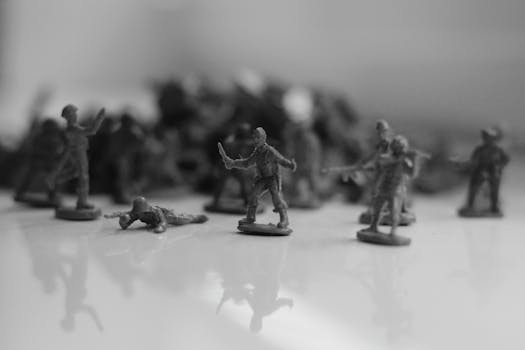
Warhammer 40K is played using detailed miniature models and dice. Players assemble and paint their own armies, choosing units from their preferred factions. The game is governed by a set of rules that dictate movement, combat, and interactions on the battlefield. Strategies, army composition, and terrain play crucial roles in the outcomes of battles, making each game a unique and engaging experience.
Cultural Impact and Expanded Media
Beyond the tabletop game, Warhammer 40K has expanded into novels, video games, and an array of other media. The Black Library, Games Workshop’s publishing division, has produced numerous books that explore the lore in greater depth, enhancing the narrative experience for fans and newcomers alike.
Moreover, Warhammer 40K has influenced various forms of pop culture and has a dedicated global following. Online forums, fan art, and international tournaments speak to its widespread appeal and the commitment of its community.
Community and Engagement
The Warhammer 40K community plays a significant role in the game’s enduring popularity. Local gaming stores, clubs, and online platforms offer spaces for enthusiasts to meet, share strategies, and participate in organized play. This community is instrumental in welcoming new players and fostering a collaborative and enjoyable gaming environment.
Conclusion
Warhammer 40K is more than just a game; it is a comprehensive and immersive universe that captivates with its rich lore and strategic depth. Whether through playing the tabletop game, engaging with the narratives, or participating in community events, Warhammer 40K offers a multifaceted experience that continues to evolve and attract a diverse audience. Its legacy as a cornerstone of science fiction and fantasy gaming is well deserved, promising many more years of thrilling adventures in the grim darkness of the far future.