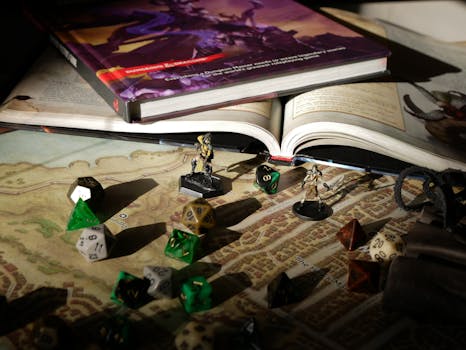
Creating immersive scenarios in Warhammer 40,000 not only deepens the tactical gameplay but also enhances the overall experience by embedding players more fully into the rich, dark universe of the 41st millennium. Here’s a step-by-step guide on how to bring the grimdark atmosphere of Warhammer 40k to your tabletop, making each battle not just a game, but a narrative experience.
- Dive Into the Lore
The first step towards creating an immersive scenario is to have a solid understanding of the Warhammer 40k universe. Familiarize yourself with the histories, ideologies, and conflicts of the various factions involved. Whether it's the rigid dogma of the Imperium, the savage cunning of the Orks, or the enigmatic nature of the Eldar, each faction offers a unique narrative potential that can serve as the backbone of your scenario.
- Define the Objectives
Move beyond standard victory conditions and design objectives that reflect the complexities of the Warhammer 40k universe. Objectives could range from retrieving ancient relics and securing vital supply lines to assassinating enemy commanders or holding the last line of defense against an overwhelming tide of enemies. Align these objectives with the thematic elements of the factions involved to add an extra layer of narrative depth.
.png)
- Select the Setting
The environment plays a crucial role in the atmosphere and tactics of the game. Choose a setting that complements the narrative and objectives of your scenario. Whether it’s the claustrophobic corridors of a derelict spaceship, the chaotic expanse of a war-blasted cityscape, or the eerie silence of a xenos-constructed labyrinth, ensure the terrain challenges the players and enhances the story you want to tell.
- Customize Terrain and Models
Invest time in customizing your terrain and models to reflect the scenario’s setting. Detailed, thematic terrain can transform a tabletop into a storytelling canvas. Consider the strategic implications of each terrain piece, from providing cover and hindering movement to enhancing the ambience of the battlefield. Use ruins, fortifications, crashed vehicles, and other thematic elements to create a visually compelling and tactically challenging environment.
- Integrate Narrative Elements
Enhance the narrative immersion by incorporating briefings, debriefings, and in-game events that add layers to the story. Start with a briefing that sets the stage, outlining the stakes and backstory of the encounter. Introduce unexpected developments during the game, such as traitorous defections, sudden environmental hazards, or the mysterious appearance of a third-party force, to keep players on their toes and engaged.
- Adapt the Rules
Tailor the rules to fit the narrative where necessary. Special rules, unique unit abilities, or temporary alliances can all serve to enrich the scenario. Be mindful of maintaining balance to keep the game competitive and enjoyable for all players. Clear communication of any rule adaptations is key to avoid confusion and ensure that everyone is on the same page.
- Create Campaigns
For those looking to extend the narrative experience, consider developing a campaign where each game impacts the next. Campaigns allow for the evolution of the storyline based on the outcomes of each scenario, providing a rewarding and dynamic way to engage with the Warhammer 40k universe over an extended period.
By following these steps, you can transform your Warhammer 40k battles into immersive narrative experiences that captivate the imaginations of all players involved. Whether you're recreating famous battles from the lore or crafting your own unique confrontations, the depth and richness of the Warhammer 40k universe offers endless possibilities for creative and engaging gameplay.