Discovering the Tactical Nuances of Warhammer 40k
Warhammer 40,000 (Warhammer 40k) offers a rich tapestry of interstellar warfare and deep strategic gameplay that captivates players around the world. Developed by Games Workshop, this tabletop miniature war game is set within a dystopian sci-fi universe where various factions vie for dominance. Here, we'll delve into the strategic elements that define Warhammer 40k, providing valuable insights to elevate the game for both novices and veteran commanders.
Understanding the Basics:
.png)
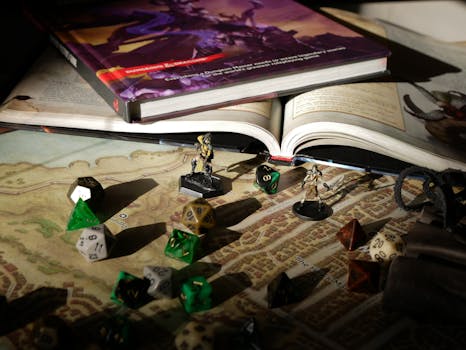
The game primarily revolves around meticulously detailed miniatures which players use to simulate battles on a tabletop landscape. Each player assembles an army from one of the many distinct factions, each with unique traits and tactical advantages. The comprehensive rulebook outlines the rules for movement, combat, and special abilities, forming the backbone of gameplay.
Strategic Army Building:
Success in Warhammer 40k begins with smart army composition. Players must strategically select a mix of units, balancing infantry, tanks, and support to create an adaptable and synergistic force. The choice of units should consider not only raw power but also how they complement each other to execute your overall battle strategy.
Terrain and Positioning:
The physical layout of the battlefield is a critical strategic element. Players arrange various pieces of terrain—such as buildings and ruins—which can provide cover or obstruct movement. Effective use of terrain can protect your units from enemy attacks or give them a tactical advantage, making positioning a key factor in the tide of battle.
The Phases of Battle:
Each round of Warhammer 40k is divided into distinct phases, each demanding careful strategy and foresight:
- Movement Phase: Positioning is crucial. Movement isn’t just about advancing but also setting up for effective actions in subsequent phases.
- Psychic Phase: Players with psychic-capable units can cast spells to strengthen their forces or weaken foes, adding a layer of psychic warfare to the strategy.
- Shooting Phase: Units engage the enemy from a distance. Deciding which units to target and which weapons to use is vital for softening up the enemy before close combat.
- Charge Phase: Here, decisions must be made about which units to send into melee combat. Choosing the right matchups and timing can swing close-quarters battles in your favor.
- Fight Phase: Direct combat tests the mettle of your units. Tactical decisions made in earlier phases come to fruition here.
- Morale Phase: The resolve of each unit is tested, and failing morale can lead to units fleeing the battlefield, drastically altering your tactical planning.
Advanced Strategies:
Experienced players will engage with deeper layers of strategy, including:
- Unit Synergies: Understanding how different units enhance each other’s capabilities can create formidable combinations on the battlefield.
- Command Point Management: Efficient use of command points, which allow players to execute special actions, is a game-changer.
- Adapting Strategies: Being able to think on your feet and adjust your tactics based on the enemy’s actions is crucial.
Conclusion:
Warhammer 40k blends intricate tactical planning with a compelling sci-fi universe, offering endless strategic depth. Whether you’re meticulously planning your next army build or mastering the diverse phases of combat, each game is a new opportunity to test your strategic acumen. Delve into the world of Warhammer 40k and harness your inner commander to outwit and outlast your opponents on this cosmic battlefield.