Warhammer 40,000, often referred to as Warhammer 40k, is not just a game but an expansive universe set in a dystopian future where intergalactic wars are the norm. Since its inception in 1987 by Games Workshop, Warhammer 40k has grown into a multifaceted franchise that includes tabletop games, novels, and video games, captivating millions of fans worldwide with its rich narratives and detailed, strategic gameplay.
The Grimdark Universe of Warhammer 40k
The setting of Warhammer 40k is a grim, dark future where the Imperium of Man struggles to survive against a plethora of enemies. The universe is in the 41st millennium, and humanity is not alone. It faces threats from alien races like the Orks, the Eldar, and the Tyranids, as well as internal threats from heretics and the malevolent forces of Chaos. Central to the Imperium's belief system is the worship of the God-Emperor of Mankind, a god-like entity who is both the spiritual and political leader of the Imperium, albeit entombed within the Golden Throne.
Gameplay Mechanics
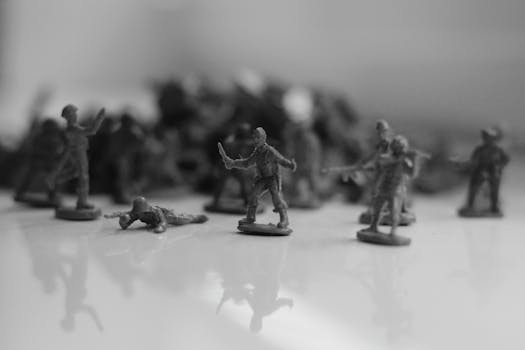
Warhammer 40k is predominantly a tabletop miniature wargame where players collect, assemble, and paint individual figurines representing various factions within the universe. These miniatures are used in tactical battles that play out on tabletop battlefields, where terrain and positioning play crucial roles. The game is known for its detailed rules and the use of dice to determine the outcomes of combat scenarios, blending chance with strategy.
Players can choose from numerous distinct factions, each with unique backstories, aesthetics, and combat tactics. These include the noble Space Marines, the ancient Eldar, the ravenous Tyranids, and the chaotic forces of Chaos, among others. Each faction not only plays differently but also adds to the rich tapestry of the Warhammer 40k universe.
The Rich Lore of Warhammer 40k
One of Warhammer 40k’s most compelling aspects is its extensive lore. This backstory is fleshed out across countless rulebooks, official novels, and issues of the White Dwarf magazine. Every faction has a deeply developed history and culture, which are regularly expanded upon with new game editions and literature. This deep lore not only enhances the gameplay experience but also engrosses players in a narrative-rich universe, making every battle feel like part of a larger saga.
Cultural Impact and Community
Warhammer 40k has transcended its origins as a tabletop game to influence various forms of media and culture. It has inspired a series of successful video games, such as the Dawn of War series, and numerous novels penned by well-known authors like Dan Abnett, which explore different facets of the Warhammer 40k universe. The community around Warhammer 40k is vibrant and dedicated, participating in worldwide conventions, tournaments, and painting competitions that celebrate both the competitive and creative aspects of the hobby.
Creativity and Customization
A unique feature of Warhammer 40k is the level of creativity it affords players in assembling and painting their miniatures. This customization allows players to express themselves artistically while also crafting a personal connection to their armies. The painting aspect of Warhammer 40k is so revered that it has become a hobby in itself, with numerous resources and communities dedicated to miniature painting and modeling.
Conclusion
Warhammer 40k offers an engaging blend of strategic gameplay, rich storytelling, and artistic expression, set against the backdrop of a darkly enthralling universe. Its ability to evolve and expand its lore while maintaining a passionate fanbase is a testament to its enduring appeal and depth. Whether you are drawn to the tactical challenge, the extensive lore, or the opportunity for creative expression, Warhammer 40k provides a profound and rewarding experience to a diverse range of enthusiasts across the globe.