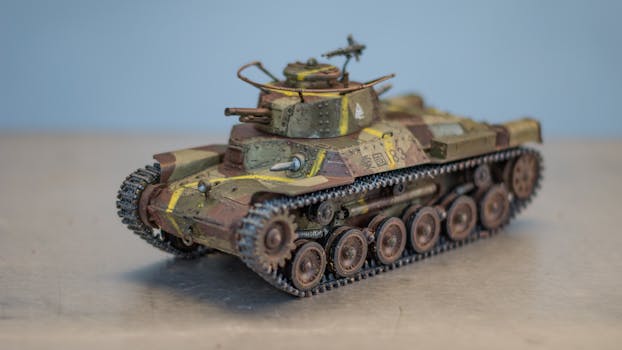
Warhammer 40,000, or Warhammer 40k, transcends being merely a tabletop game. It is a vast, immersive universe, teeming with rich lore and epic narratives, brought to life by its intricately designed miniatures. For many enthusiasts, the true charm of this universe lies in the art of miniature painting—a meticulous craft that transforms simple figures into vibrant, detailed warriors and machineries of war. This article delves into the artistry of Warhammer 40k miniature painting, offering valuable insights and tips for both beginners and veteran painters.
Starting Out in Miniature Painting
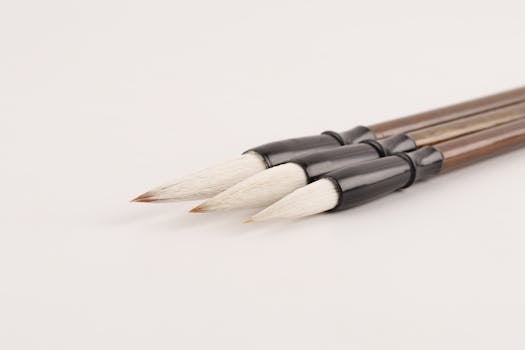
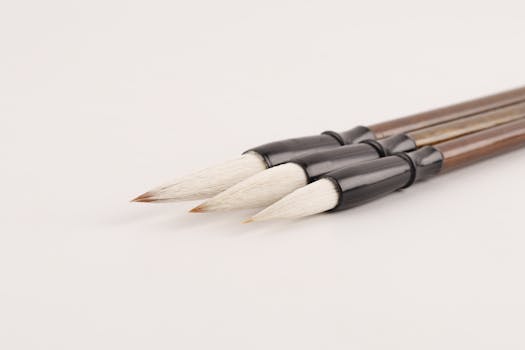
The journey into miniature painting begins with gathering the right tools. Essential supplies include high-quality paints specifically designed for miniatures, such as those offered by Citadel, the official paint brand for Warhammer 40k. These paints are crafted to adhere seamlessly to both plastic and metal surfaces. Additionally, a diverse set of brushes, ranging in size, is crucial for achieving fine detail.
.png)
Preparation is key before painting can commence. Assembling the miniature pieces might require glue, and any excess material left from the molding process should be carefully removed. Priming the figure is crucial as it enhances paint adherence and provides a consistent base color, ensuring the paints' true colors shine through.
Techniques for Effective Miniature Painting
Basecoating is the foundational step in miniature painting. This initial layer of color should be applied thinly and evenly to preserve the intricate details of the model. Subsequent steps involve shading and highlighting to add depth and dimension. Shading uses darker tones in the recesses to create shadows and depth, while highlighting brings lighter colors to the model's raised areas to accentuate details.
Dry brushing is a technique favored for its ability to enhance textures. It involves lightly brushing a minimal amount of light-colored paint over the model's raised textures, giving a worn or textured appearance.
Advanced Techniques and Finishing Touches
For those aiming to elevate their painting prowess, techniques like glazing and wet blending offer sophisticated ways to achieve stunning visual effects. Glazing uses thin, transparent layers of paint to smooth out color transitions, creating a natural gradient. Wet blending, on the other hand, involves mixing colors directly on the model while the paint is still wet, allowing for seamless color integration.
Once the painting is complete, applying a protective varnish shields the miniature from wear and tear. Choices like matte or satin varnishes are popular as they minimize glare and preserve the visual integrity of the paintwork.
The Creative and Social Aspects of Miniature Painting
Miniature painting is as much an art form as it is a technical skill. It offers painters the freedom to experiment with diverse color schemes, patterns, and finishes, crafting a unique aesthetic for their armies. The Warhammer 40k community plays a pivotal role in enriching this experience. It is a platform for painters to showcase their work, exchange ideas, and participate in competitions, fostering a sense of camaraderie and shared passion for the hobby.
Conclusion
The art of Warhammer 40k miniature painting is a deeply rewarding aspect of the hobby that marries craftsmanship with creativity. Whether you're a novice about to start your first figure or a seasoned painter refining your skills, the world of miniature painting offers a compelling avenue to express your artistic vision. By mastering foundational techniques and exploring advanced methods, you can bring your Warhammer 40k miniatures to spectacular life, imbuing them with both personal flair and profound detail.