Introduction to Warhammer 40k Miniature Painting
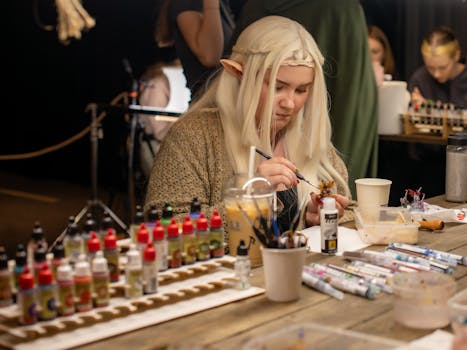
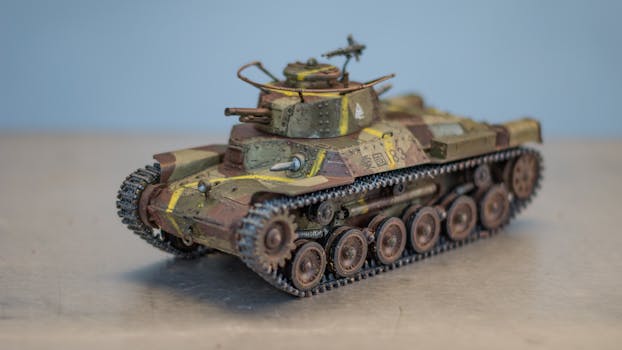
Painting Warhammer 40k miniatures is both a popular hobby and a creative way to bring the game's extensive lore to life. Whether you're just starting or are looking to refine your skills, understanding and mastering various painting techniques can significantly enhance your miniatures and enrich your gaming experience. This article offers practical techniques and tips to improve your miniature painting, helping you create an army that looks as impressive on the battlefield as it performs.
Preparing Your Miniatures
.png)
- Cleaning and Assembly: Begin by assembling your miniatures, ensuring they are clean and free from mold lines or excess plastic. Use a hobby knife and fine sandpaper for a smooth finish.
- Priming: Priming is essential as it helps paint adhere to the miniature and provides a uniform base color. Opt for a primer designed for plastic models and apply it in thin, even layers.
Selecting Paints
Choose high-quality acrylic paints specifically formulated for miniatures, like Citadel, Vallejo, or Army Painter. These paints are finely pigmented and designed to retain the fine details of your models.
Essential Painting Techniques
- Layering: Begin with a dark base coat and gradually apply lighter shades, allowing some of the base color to show through. This technique adds depth and is ideal for larger surfaces.
- Blending: For a seamless color transition, blend two colors directly on the model using a wet palette for moisture control.
- Dry Brushing: Highlight textures by dry brushing. Lightly dip the brush in paint, wipe off the excess, and gently brush over the model's raised areas.
- Washing: Apply thin washes to deepen shadows and define details. Washes work well for emphasizing recesses and undercuts.
- Highlighting: Use lighter colors to highlight the model's edges and raised areas, enhancing the dimensional effect and simulating light reflection.
Advanced Techniques
- Glazing: Build up color intensity without losing detail by applying multiple thin layers of transparent paint.
- Object Source Lighting (OSL): Create realistic lighting effects by simulating light emanating from specific sources like weapons or eyes.
Finishing Touches
- Varnishing: Protect your painted miniatures with a matte varnish to reduce shine and prevent chipping.
- Basing: Customize bases to match your army's theme or the game's setting using materials like sand, grass, or snow effects.
Continuous Improvement
Practice is crucial in miniature painting. Regularly experimenting with different styles and techniques will not only improve your skills but also help you discover what best suits you and your army.
Conclusion
Painting Warhammer 40k miniatures is a rewarding aspect of the hobby that allows for significant customization and creativity. By adopting these painting techniques, you can create visually stunning miniatures that stand out during gameplay. Remember, every painter starts somewhere, and with practice, you can achieve remarkable results. Happy painting and may your army always look its best on the battlefield!