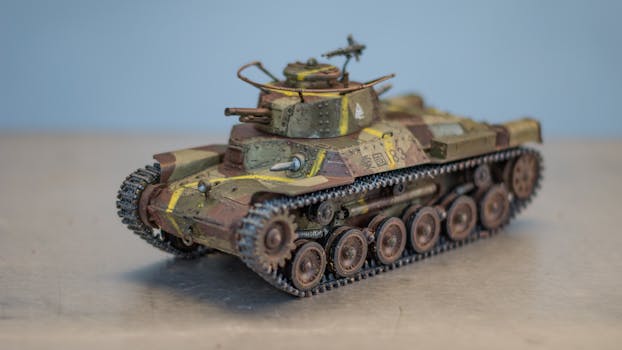
Mastering miniature painting for Warhammer 40,000 (Warhammer 40k) is a fulfilling part of the hobby that brings personalization and visual flair to your tabletop battles. Whether you're a newcomer or a seasoned painter, this guide will walk you through essential techniques and tips to help you enhance your painting skills and bring your miniatures to life.
Starting with the Essentials
Before diving into painting, it's important to gather the necessary tools and materials:
.png)
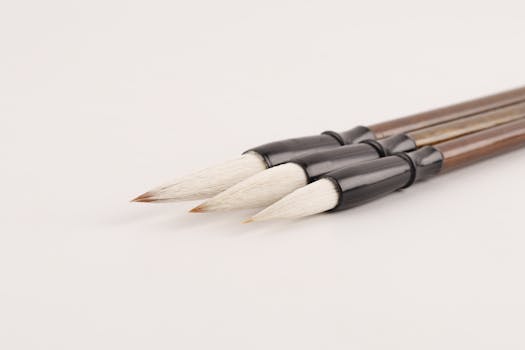
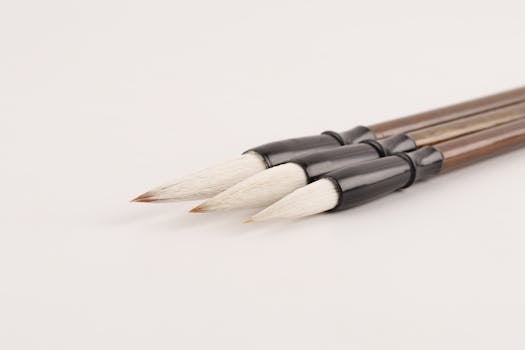
- Brushes: Invest in a range of high-quality brushes from fine detail to standard size.
- Acrylic Paints: Use miniature-specific acrylic paints which are formulated for smooth application and fine detail work.
- Primer: Essential for preparing your figures, primers ensure paint adherence and longevity.
- Palette: For mixing and thinning paints.
- Water and Paper Towels: For cleaning brushes and managing paint consistency.
Choosing Your Color Scheme
The color scheme of your army is pivotal and can be inspired by existing Warhammer 40k lore or your own creative vision. Consider the following when choosing colors:
- Theme: What is the narrative of your army? Dark and brooding, or bold and heroic?
- Harmony: Use a color wheel to select complementary and contrasting colors that visually engage.
Priming Basics
Priming your miniatures provides a base layer for subsequent paints to adhere to and should not be skipped. Choose a primer color based on the overall color palette of your army—black for darker tones, white for brightness, and gray for a neutral base.
Advanced Techniques: Layering and Blending
Enhance the depth and realism of your miniatures with careful layering and blending:
- Layering: Apply a base color and gradually add layers of lighter shades to build depth.
- Blending: This technique involves wet blending two colors directly on the miniature to create a smooth transition.
Highlighting and Detailing
Bringing out the fine details in your miniatures can make a significant difference:
- Detailing: Use a fine-tip brush to paint intricate details like eyes, buckles, and weaponry.
- Highlighting: Apply lighter colors to areas that would naturally catch light to enhance dimensionality.
Shading with Washes
Washes are diluted paints that flow into recesses to create shadows and depth. Apply carefully to avoid pooling on flatter surfaces, and consider using different shades for different base colors to maximize effect.
Protecting Your Work
Once your miniature is painted, apply a sealant to protect your artwork from wear and tear during gameplay. Matte or satin varnishes are preferred to minimize glare while preserving the details.
Practice and Community Engagement
Improving your miniature painting skills comes with practice and community interaction:
- Practice: Regular painting will help refine your skills and encourage creative experimentation.
- Community: Engage with the Warhammer 40k community through forums, social media, and local clubs for inspiration, feedback, and support.
Conclusion
Mastering miniature painting in Warhammer 40k is a journey of creativity and skill development. Through understanding fundamental techniques, exploring advanced methods, and engaging with the community, you can dramatically improve your painting and enjoy a richer gaming experience. Remember, the primary goal is to enjoy the process and express your unique vision on the battlefield. Happy painting!