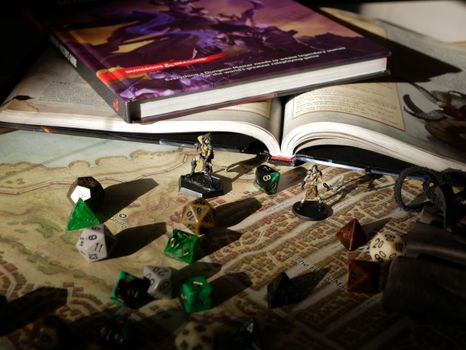
The universe of Warhammer 40,000 is as visually striking as it is narratively rich. Every faction boasts a unique aesthetic identity, from the gleaming power armor of the Space Marines to the bioengineered horrors of the Tyranids. For hobbyists, painting an army is an act of creativity and allegiance, transforming gray plastic into vibrant armies that dominate the tabletop and tell stories before a single dice is rolled. Choosing the right colors and painting techniques for your chosen faction is essential to bring your models to life and capture the spirit of Warhammer 40k’s diverse universe. In this guide, we’ll explore recommended color schemes and painting approaches for several major factions, highlight specific techniques for standout results, and offer a practical comparison of faction painting complexity.
The Importance of Color Schemes in Warhammer 40k Factions
The color scheme you choose for your Warhammer 40k army is more than just a matter of preference—it's a way to express your connection to the lore and to stand out on the battlefield. Each faction features canonical colors based on their history and background, and Games Workshop often releases official guides for replicating these iconic looks. For example, the Ultramarines are instantly recognizable for their royal blue armor, while the Death Guard’s mottled green and bone evoke decay and corruption.
Statistics reveal that over 60% of Warhammer 40k hobbyists paint their armies according to official color schemes, while the remaining 40% either invent custom schemes or adapt established ones. This balance shows that while tradition is strong, creativity is equally encouraged. Your choice can impact gameplay immersion, narrative campaigns, and even painting competition scores at events like Warhammer Fest.
.png)
Recommended Colors and Techniques for Space Marines
Space Marines are among the most popular factions, with dozens of chapters, each with its own color palette and heraldry. Here’s a quick look at some iconic chapters and tips for painting them:
- Ultramarines: Their blue armor (Macragge Blue) is accented with gold trim and white insignia. Layering and edge highlighting are key techniques—start with a base coat of Macragge Blue, shade with Drakenhof Nightshade, and highlight with Calgar Blue and Fenrisian Grey. - Blood Angels: Known for their vibrant red (Mephiston Red), Blood Angels benefit from smooth blending and glazing to create deep, rich tones. Add edge highlights with Wild Rider Red for definition. - Dark Angels: Their deep green (Caliban Green) armor is best achieved with careful shading—apply Nuln Oil into recesses and highlight with Warpstone Glow. - Salamanders: Use a dark green base, highlight with brighter greens, and add fiery orange or yellow details for flames—wet blending is effective for this chapter.For all Space Marines, consider using decals for chapter symbols and purity seals to save time and improve consistency. Sub-assemblies (painting arms and weapons separately before final assembly) can help reach recessed details.
Painting Techniques and Palettes for Chaos Factions
Chaos Space Marines and their daemonic allies offer opportunities for dramatic, corrupted, and visually stunning paint jobs. The four Chaos Gods—Khorne, Nurgle, Tzeentch, and Slaanesh—each have associated color themes:
- Khorne: Deep reds and brass, often weathered and blood-spattered. Stippling and drybrushing can add gritty, battle-worn effects. - Nurgle: Greens, browns, and sickly off-whites. The Death Guard’s signature look involves mottling and texture—use sponging to create pitted, corroded surfaces and apply technical paints like Nurgle’s Rot for slime and ooze. - Tzeentch: Vibrant blues, purples, and golds. Glazing and layering are vital to achieve magical, iridescent finishes. - Slaanesh: Pinks, purples, and black, highlighted with silver. Wet blending and careful highlights bring out the sensual, otherworldly feel.Freehand painting is common for adding runes and chaotic symbols. Weathering powders and special effects, like blood for the blood god or rust pigments, enhance the narrative of corruption.
Eldar, Necrons, and Xenos: Distinctive Schemes for Alien Armies
Xenos armies in Warhammer 40k allow for bold color choices and unique techniques:
- Eldar (Aeldari): Known for bright, clean colors and contrasting helmet crests. The Craftworlds each have their own palette—Ulthwé uses black and bone, Biel-Tan green and white, Saim-Hann red and white. Airbrushing helps achieve smooth gradients, while gem paints add realism to spirit stones. - Necrons: Metallics are essential—start with Leadbelcher or Retributor Armour, then shade with Nuln Oil. Glow effects (Object Source Lighting, or OSL) are popular around eyes and weapons—use glazes of Tesseract Glow or fluorescent paints for eerie energy. - Orks: Greenskin flesh, rusty metals, and vibrant clan colors (red for Evil Sunz, yellow for Bad Moons, blue for Deathskulls). Drybrushing and chipping techniques add a battered, cobbled-together look.Tyranids, another major Xenos faction, often feature carapace/flesh contrasts—wet blending between two or three colors on their chitin is a favorite method. Gloss varnish can give alien skin an organic sheen.
Comparative Table: Faction Color Complexity and Painting Techniques
Below is a comparison of major Warhammer 40k factions, their standard color schemes, and the recommended painting techniques for each. Complexity is rated from 1 (simple) to 5 (advanced).
| Faction | Typical Colors | Key Techniques | Complexity (1-5) | Popular Paints |
|---|---|---|---|---|
| Ultramarines | Blue, Gold, White | Layering, Edge Highlighting | 2 | Macragge Blue, Calgar Blue |
| Death Guard | Green, Bone, Rust | Mottling, Weathering | 4 | Death Guard Green, Typhus Corrosion |
| Necrons | Silver, Green Glow | Drybrushing, OSL | 3 | Leadbelcher, Tesseract Glow |
| Eldar (Biel-Tan) | Green, White, Red Accents | Airbrushing, Gem Effects | 4 | Warpstone Glow, Spiritstone Red |
| Orks | Green, Red, Metal | Drybrushing, Chipping | 2 | Waaagh! Flesh, Leadbelcher |
| Tyranids | Purple, Bone, Blue | Wet Blending, Gloss Effects | 5 | Xereus Purple, Rakarth Flesh |
| Black Legion | Black, Gold, Red | Edge Highlighting, Freehand | 3 | Abaddon Black, Retributor Armour |
Tips for Personalizing and Speed-Painting Your Army
While official color schemes are iconic, many players enjoy creating custom chapters, craftworlds, or dynasties to make their army unique. Here are some popular strategies:
- Choose a limited palette (3-4 main colors) for coherence and speed. - Use colored primers to set the base tone, saving time on large armies. - Apply contrast paints or speed paints for rapid shading and highlighting—Citadel’s Contrast line can reduce painting time by up to 50% for some schemes. - Add distinctive touches like transfers, freehand markings, or basing materials to reflect your army’s character. - For narrative campaigns, weathering and battle damage can tell a story—chipped armor, grime, or blood splatters add realism.Batch painting (painting multiple models simultaneously) is another effective method. For example, painting all armor plates on a squad before moving to weapons or details ensures consistent results and efficiency.
Showcasing Your Finished Models: Varnishing and Photography
After spending hours perfecting your models, it’s vital to protect your work and show it off in the best light:
- Apply a matte or satin varnish to shield paint from chips and wear during gameplay. For special effects, use gloss varnish on gems, lenses, or Tyranid carapaces. - Photograph your models with neutral backgrounds and soft lighting. Smartphone cameras can capture excellent results—set up a simple lightbox or use daylight for even illumination. - Share your work on social platforms or hobby forums—over 2 million posts on Instagram are tagged #warhammer40k, making it a thriving community for inspiration and feedback.By combining recommended colors, advanced techniques, and personal flair, your Warhammer 40k army can become a centerpiece of both the tabletop and the hobby community.
Final Thoughts on Warhammer 40k Faction Colors and Techniques
Painting a Warhammer 40k army is a journey, blending artistry, lore, and technical skill. The right colors and techniques not only honor your chosen faction but also turn your miniatures into striking, memorable works of art. Whether you stick to classic schemes or branch out with custom ideas, embrace the creative process. With thousands of paint options, innovative tools like contrast paints and airbrushes, and a global community for support, there’s never been a better time to bring your Warhammer 40k army to life in full color.